
A modern veterinary CRO - built for agility and success
Fast, ethical, quality by design
Minotaur Pharma offers Australian veterinary CRO services for sponsors needing clarity, speed, VICH-GCP/GLP quality, and accountability - without the bureaucracy and delays of traditional CROs.
We specialize in timeline-driven, private clinic‑based veterinary studies and CRO management, acting as a single point of ownership from regulatory-acceptable protocol design and agency interactions, through final reporting and submission.
What We Do
Direct Execution: Veterinary Studies
We design and run veterinary studies through our established clinic network, with rapid ethical review timelines.
-
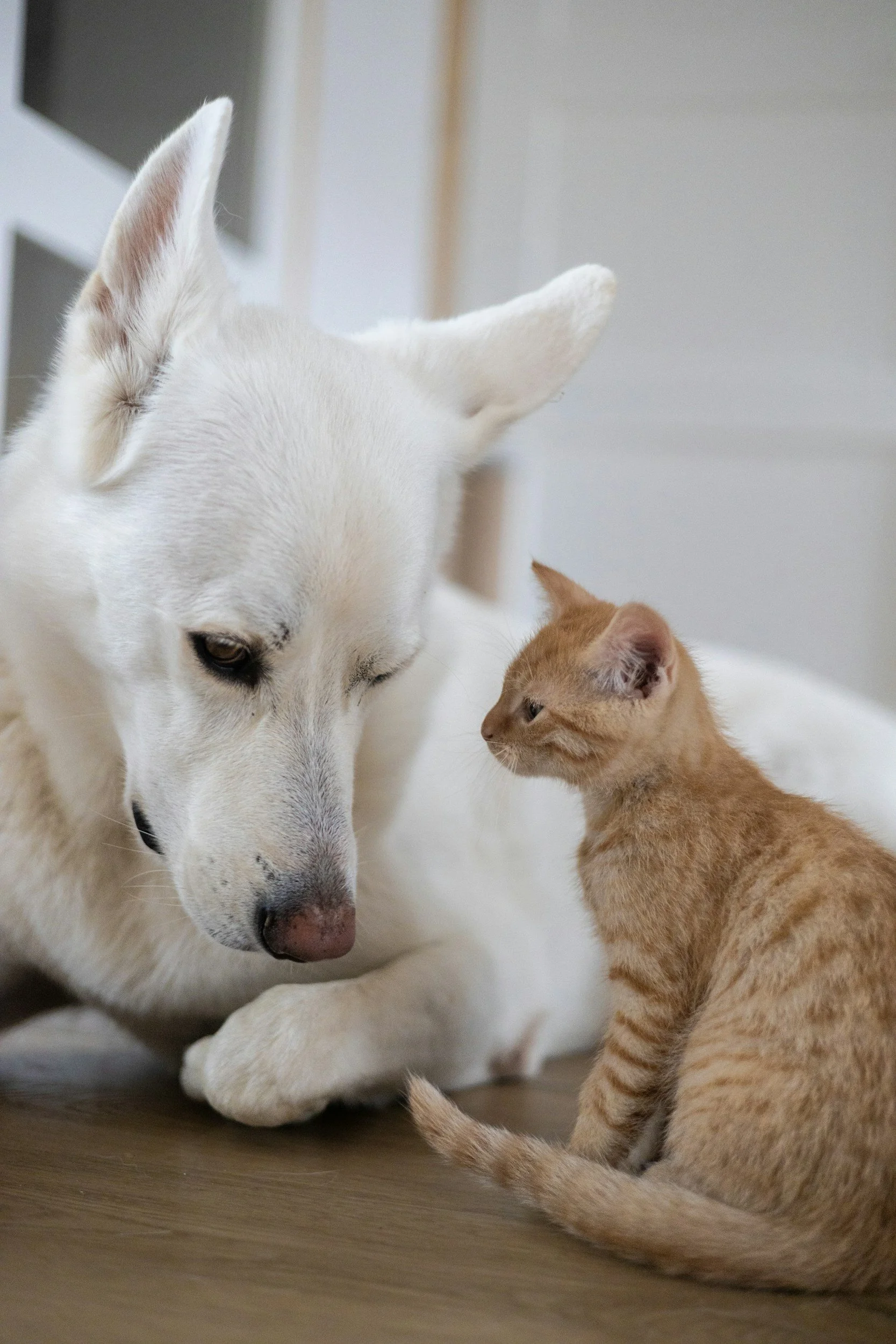
These studies assess whether the target animal species will willingly consume the product — covering taste, texture, smell, and ease of administration. Animals are typically offered the product under controlled conditions, and uptake rates, consumption behaviour, and any signs of aversion are recorded. Output is data that supports labelling claims around palatability (e.g., "readily accepted by dogs and cats") and can inform dosing compliance assumptions in efficacy and safety submissions.
-
Before committing to full GLP-compliant target animal safety studies, pilot studies can be run in a small number of animals to get an early read on whether the product is broadly safe at anticipated therapeutic and exaggerated doses. These are exploratory by nature — looking at clinical signs, bodyweight, food consumption, and sometimes basic clinical pathology. Efficacy signals are tracked. The regulatory value is not in generating definitive safety conclusions, but in de-risking the development program, refining dose selection, and identifying any red flags, and efficacy signals before larger investments are made. These studies are compliant with regulatory and publication-ready, for sponsors wishing to publish.
-
Pharmacokinetic (PK) studies characterise how the drug is absorbed, distributed, metabolised, and excreted in the target species, while dose-range finding work identifies the exposure levels needed to achieve a therapeutic effect. These studies are typically run outside of GLP as they are hypothesis-generating rather than definitive. The output feeds directly into dose selection for pivotal studies and helps build the pharmacokinetic/pharmacodynamic (PK/PD) rationale that regulators expect to see underpinning a proposed dose regimen in the submission dossier.
-
Field studies evaluate product performance under true-to-life conditions - naturally infected or diseased animals, in real clinical settings, managed by qualified practising veterinarians. Unlike controlled laboratory efficacy studies, these capture the variability of real-world use, including different breeds, ages, concurrent conditions, and owner compliance. Regulatorily, field efficacy data is a core component of the pivotal efficacy package required for marketing authorization, and in some frameworks can also support post-authorization commitments or label expansions with real-world evidence.
-
Target Animal Safety (TAS) studies assess the safety of a veterinary medicine in the intended species at the recommended dose and higher multiples. Required by regulators such as the European Medicines Agency (via the Committee for Medicinal Products for Veterinary Use), Center for Veterinary Medicine, UK Veterinary Medicines Directorate, and Australian APVMA, they evaluate clinical signs, pathology, and safety margins to support dosing instructions and warnings on the product label.
What’s Included
Protocol design and amendments to streamline approvals and early readouts
Animal ethics approvals (AEC/IRB/IACUC and biosafety)
Clinic onboarding and training
Study coordination and monitoring
Data capture and reporting in regulatory-appropriate formats

Let’s Work TogetherIf you're interested in working with us, complete the form with a few details about your project. We'll review your message and get back to you within 48 hours.